Wonderful choice, beautiful area, friendly, efficient service and most of all exceptional taste of traditional food. Great experience. found an excellent quality hosts, Joëlle, Etienne and the team present tasty dishes. This is our fourth visit, unfortunately once a year and it never disappoints.
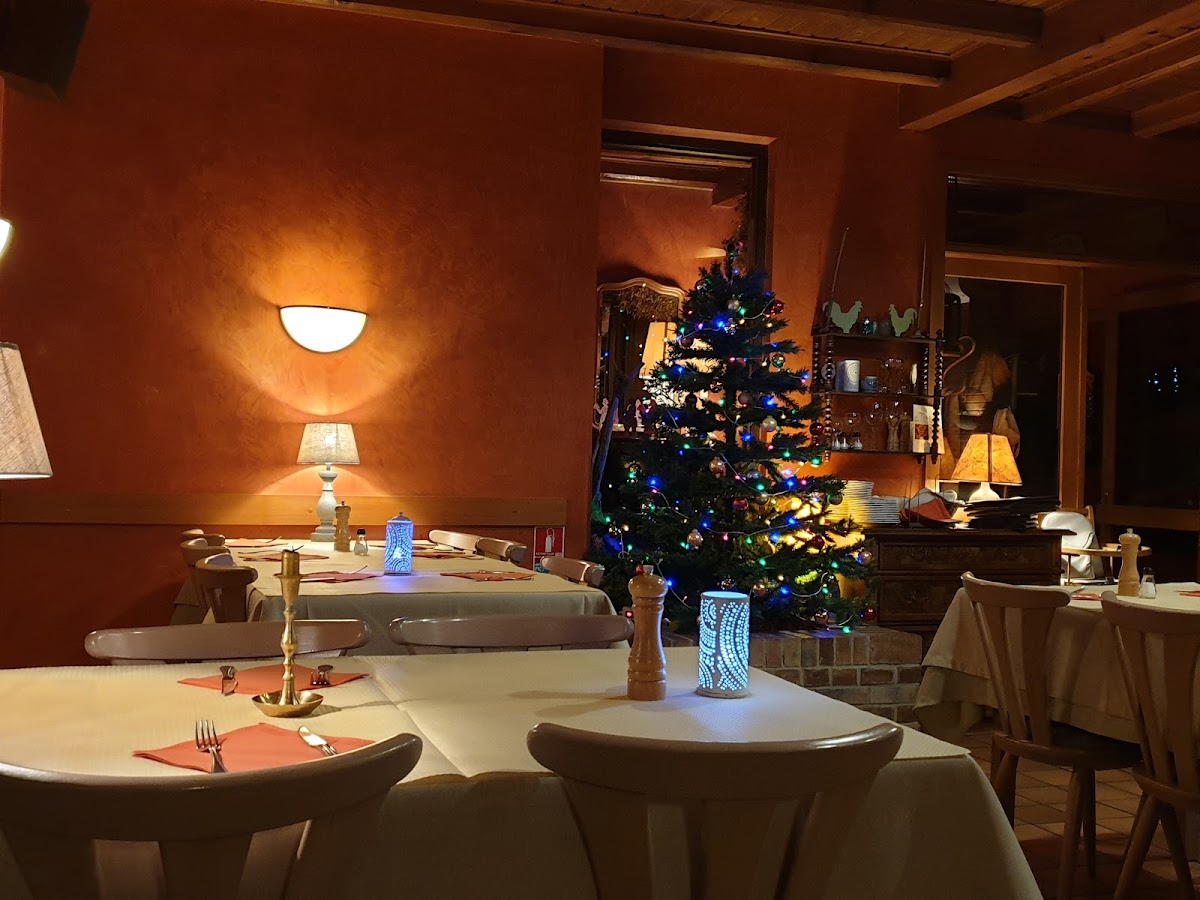
Overview
Walking into Auberge Du Rhin feels like stepping into a living postcard of Alsace, where the pace slows down and the food does the talking. Tucked away at 7 Rue Annexe du Rhin, 67470 Seltz, France, this riverside inn has long been a familiar stop for locals, cyclists cruising along the Rhine, and travelers who care more about flavor than flash. I first stopped here after a long afternoon on the road, expecting a simple meal, and ended up staying far longer than planned, mostly because the kitchen kept sending out dishes that begged for just one more bite.
The menu leans heavily into regional Alsatian cuisine, and that’s exactly its strength. Instead of trying to reinvent tradition, the kitchen respects it. You’ll see classics like choucroute garnie, slow-cooked until the cabbage is tangy but not sharp, paired with sausages that have a proper snap. The tarte flambée arrives thin and blistered, baked hot enough to caramelize the onions without drying out the dough. A server once explained that the dough rests longer than most places allow, which helps achieve that balance between crisp and chewy. That small detail shows experience, not shortcuts.
From a professional food perspective, what stands out is consistency. According to research from the National Restaurant Association, over 70% of repeat restaurant visits are driven by reliable food quality rather than novelty. This place proves that point. Multiple visits, different seasons, same solid execution. Reviews across major platforms echo that pattern, often highlighting generous portions and honest pricing. One frequent comment describes the food as home-style cooking, and that description fits without feeling like a cliché.
The location adds another layer to the experience. Sitting near the Rhine influences both atmosphere and menu choices. Freshwater fish specials appear regularly, often sourced from nearby suppliers. Sustainability matters more to diners now than it did a decade ago, and studies published by the European Commission show that over 60% of European consumers prefer restaurants that use local products when possible. Here, that approach isn’t advertised loudly; it’s simply practiced. The result is food that tastes grounded in its surroundings.
Service deserves its own mention. On one visit, a large group arrived unexpectedly, and instead of chaos, the staff reorganized seating smoothly while keeping existing tables comfortable. That kind of calm under pressure usually comes from years of hands-on experience, not scripted training. The team knows the menu well and can explain differences between regional wines without sounding rehearsed. When asked for a pairing, the recommendation came with a brief story about the vineyard, which added credibility and warmth.
Of course, no place is perfect. The menu doesn’t change dramatically, so diners looking for constant innovation might find it predictable. Also, during peak weekends, waiting times can stretch a bit longer than ideal. Still, those limitations are easy to forgive when the kitchen delivers what it promises. Transparency matters for trust, and nothing here feels exaggerated or misleading.
What keeps people coming back is the feeling that this restaurant understands its role. It’s not chasing trends or social media hype. It’s focused on being a dependable stop where the food reflects the region, the service feels human, and the setting encourages you to linger. Many reviews mention worth the detour, especially from travelers crossing borders nearby, and that reputation has been built slowly, meal by meal.
Spending time here reminded me that good dining isn’t always about surprise; sometimes it’s about reassurance. When a restaurant knows who it is and serves its guests accordingly, that confidence shows up on the plate, in the dining room, and in the quiet satisfaction people carry with them when they leave.
Good to know
Service options
✓ Outdoor seating ✓ Takeaway ✓ Dine-in ✓ DeliveryHighlights
✓ Great coffee ✓ Great wine listPopular for
✓ Lunch ✓ Dinner ✓ Solo diningAccessibility
✓ Wheelchair-accessible car park ✓ Assistive hearing loop ✓ Wheelchair-accessible entranceOfferings
✓ Alcohol ✓ Beer ✓ Cocktails ✓ Coffee ✓ Healthy options ✓ Small plates ✓ Spirits ✓ WineDining options
✓ Lunch ✓ Dinner ✓ Dessert ✓ Seating ✓ Table serviceAmenities
✓ ToiletAtmosphere
✓ Casual ✓ Cosy ✓ Quiet ✓ RomanticCrowd
✓ Groups ✓ TouristsPlanning
✓ Lunch reservations recommended ✓ Dinner reservations recommended ✓ Accepts reservationsPayments
✓ Credit cards ✓ Debit cards ✓ Meal coupons ✓ NFC mobile payments ✓ Pluxee ✓ Credit cardsChildren
✓ Good for kids ✓ High chairs ✓ Kids' menuParking
✓ Free of charge street parking ✓ Free parking lot ✓ ParkingPets
✓ Dogs allowed ✓ Dogs allowed outsidePhotos
1 / 4
Location
Reviews
- No ratings yet 705 reviews
Great place for discovering a real tarte flambee in a beautiful atmosphere.
If you like cheese... This probably the best place to visit...
Good food with an emphasis on traditional Alsatian meals such as tarte flam’. Lovely Cuban waitress was funny and friendly and really made the evening.
We have been there a couple of times and still good service and good food ...we like their Flammkuchen and the Steak that you need to order for two is fabulous ...we will be back
Excellent food, go for "tarte flambee"! Nice to sit! Great cappuccino!